

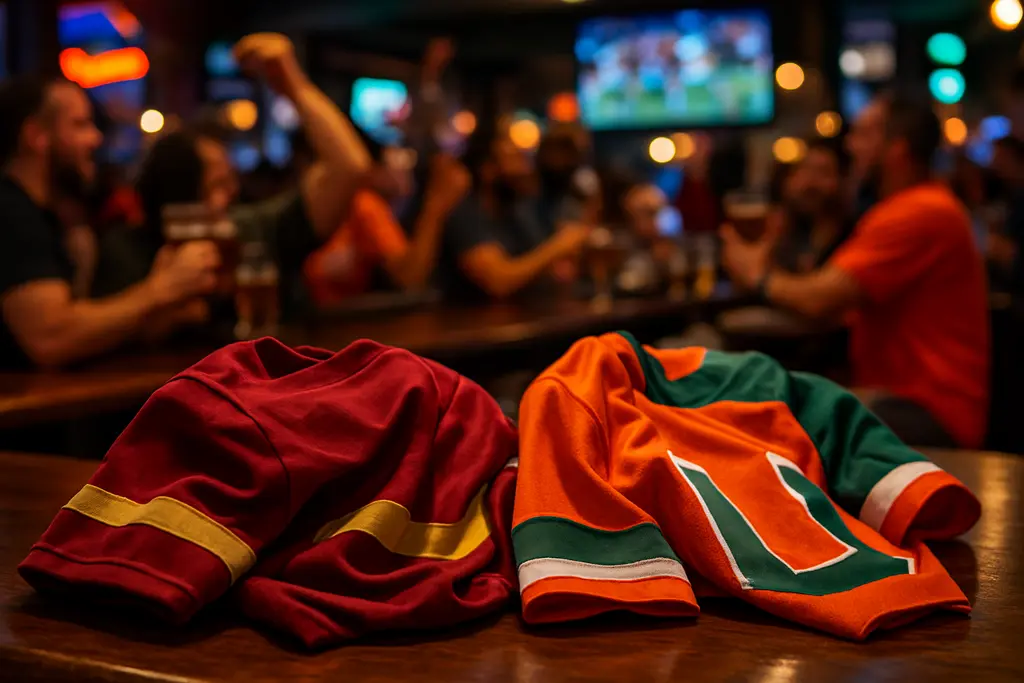
FSU Miami Logistics starts with the hard facts: Florida State plays Miami on Saturday, October 17, 2026, at 7:00 p.m. Eastern, with the game set for a national ESPN broadcast, according to FSU’s game announcement. The setting is Hard Rock Stadium in Miami Gardens, which makes this a true road rivalry trip for Seminoles fans moving south from Tallahassee, the Panhandle, Central Florida, and the alumni pockets around South Florida.
This is not a normal away date on the calendar. It is Florida State-Miami, two nights from now as of October 15, 2026, with a Saturday night kickoff window and a fan base trying to balance travel, family plans, stadium arrival, and the football reality of a difficult road assignment. Miami enters at 5-0 while Florida State is 3-3, per the listed team schedule and results at FOX Sports. That record gap shapes the mood, but it should not shrink the local meaning of the game for FSU supporters.
FSU Miami Logistics For The Road Rivalry
Why FSU Miami Logistics Start Before Departure
The first planning point is simple: this is not a Doak Campbell Stadium week. It is an FSU road game in Miami Gardens, so the rhythm changes for everyone. Tallahassee-based supporters are not building the day around familiar campus lots, CollegeTown meals, or the usual home-game walking patterns. They are dealing with a longer trip, a South Florida arrival window, and a stadium environment controlled by Miami’s home-game operation.
That matters because a 7:00 p.m. kickoff creates two very different choices for fans. Some will travel on Friday, settle in, and treat Saturday as a full rivalry day. Others will try to move on Saturday morning or early afternoon, which compresses the schedule and leaves less room for traffic, weather shifts, or entry delays. Good road planning is not glamorous, but it protects the part of the day that fans actually care about: being settled before the ball is kicked.
For Florida State supporters, FSU Miami Logistics also means resetting expectations from a home-game mindset. The stadium is not built around FSU routines, and the surrounding traffic pattern will not feel like a Tallahassee Saturday. If you want a companion piece that separates this road trip from Doak-based planning, our Miami road-test plan focuses on the football pressure that comes with playing this rivalry away from home.
The Broadcast Window Still Affects Local Planning
The ESPN broadcast window is more than a television note. It locks the night into a national slot, which tends to stretch the day for fans who travel, gather locally, or build watch parties back in Tallahassee. For families, a 7:00 p.m. Eastern start means the postgame exit will run late. For alumni groups, it creates a clear evening anchor. For the team, it means a full day of waiting before kickoff, which can test composure on the road.
The fan base should treat that late start as part of the matchup. Rivalry games often carry extra noise before kickoff, and a night setting gives both sides more time to build energy. That does not decide the game, but it can affect communication, sideline patience, and how cleanly an offense handles early possessions.
Schedule Pressure And Team Context
Records Put The Road Test In Focus
The records say plenty without needing extra decoration. Miami is 5-0. Florida State is 3-3. That contrast gives Miami the cleaner profile entering October 17, but it also gives FSU a clear opportunity to change the tone of its month. At 3-3, the Seminoles do not need style points as much as they need cleaner execution, manageable third downs, and a first quarter that does not hand the home crowd free momentum.
From a football analysis view, the logistics and the game plan overlap. Road teams that start slowly often make their own travel feel heavier. False starts, wasted timeouts, poor substitution timing, and missed early tackles can make a rivalry stadium feel even louder. The staff’s job is not just to call the right plays; it is to keep the operation calm enough for those plays to have a chance.
That is where FSU Miami Logistics becomes part of performance instead of just fan planning. The week’s structure, the road routine, the pregame timing, and the sideline communication all feed into whether Florida State can keep the game in a workable range. The Seminoles do not need to pretend the setting is neutral. They need to manage it like a team that understands exactly where it is.
Rivalry History Still Travels
Florida State’s official announcement noted that FSU holds a 21-19 edge in games played in Miami in this series, a narrow margin that fits the way this rivalry has often felt on the field. That number does not block a pass or protect a quarterback on October 17, but it does remind both fan bases that Miami has not been an impossible trip for Florida State across the life of the matchup.
For the Seminoles, the useful lesson is not nostalgia. It is that poise travels. Some FSU teams have gone south and handled the environment. Others have let the game tilt too quickly. This 2026 group enters with enough pressure on its record that the opening quarter will tell us a lot about its maturity, especially if Miami starts fast or the stadium gets loud after an early mistake.
Fan Travel And Stadium Rhythm
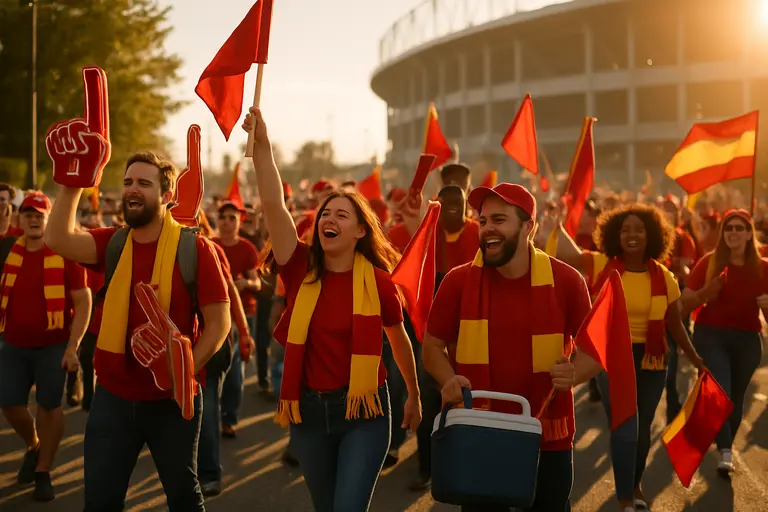
Arrival Timing Can Change The Day
Hard Rock Stadium in Miami Gardens is a different game-day build than Tallahassee. Fans should think in terms of buffers: road time, parking approach, entry screening, restroom lines, and the walk from the arrival point to the seating area. A rivalry night is rarely improved by cutting every deadline close. If a group is traveling with children, older relatives, or fans unfamiliar with the venue, that buffer becomes even more valuable.
Weather is another practical layer. South Florida conditions can change quickly, and a warm, humid night can wear on fans who spent much of the day outside. The smartest approach is less about guessing the exact conditions and more about planning for comfort: arrive with time, keep the group together, and avoid making the last hour before kickoff a scramble.
Community Presence Matters Away From Tallahassee
One of the better parts of a road rivalry is seeing how far the Florida State community stretches. South Florida has plenty of alumni, families, former students, and recruits who understand what this matchup means. Even without the home stadium, FSU’s presence in Miami Gardens can still feel connected to Tallahassee.
That community layer is why FSU Miami Logistics should not be treated as a dry checklist. It is the practical side of showing up for the program. A well-planned road trip lets fans spend less time fighting the day and more time being part of the rivalry. It also gives younger fans a memory that is not limited to the scoreboard: the drive, the colors, the noise, and the feeling of seeing Florida State on the road in one of the state’s biggest annual college football settings.
- Confirm the date and time: Saturday, October 17, 2026, at 7:00 p.m. Eastern.
- Plan as a road game: Hard Rock Stadium routines are not Doak routines.
- Build in extra time: Rivalry traffic and late arrivals can create avoidable stress.
- Respect the night window: Postgame exit and return travel will run late.
Why FSU Miami Logistics Matter On October 17
The Details Shape The Rivalry Experience
The football stakes and the fan experience are tied together on October 17. Florida State is trying to steady a 3-3 season in one of the tougher road settings on its schedule. Miami is defending an unbeaten start at home. The broadcast window puts the game in a national frame, but for Tallahassee and South Florida Seminoles, the meaning is local: pride, presence, and a chance to measure the program in a demanding rivalry spot.
FSU Miami Logistics will not decide whether the Seminoles tackle well, protect the ball, or finish drives. It will, however, shape how prepared the fan base feels and how cleanly the team moves through a high-attention road night. For supporters making the trip, the goal is to remove avoidable stress before kickoff. For the team, the goal is to make the road environment feel organized, not overwhelming.
On Saturday night, the scoreboard will carry the public verdict. Before that, the quieter work matters: travel timing, arrival choices, communication, and a clear understanding that Florida State is walking into a rivalry environment with little margin for sloppy details. That is why planning the day well is part of respecting the matchup.