

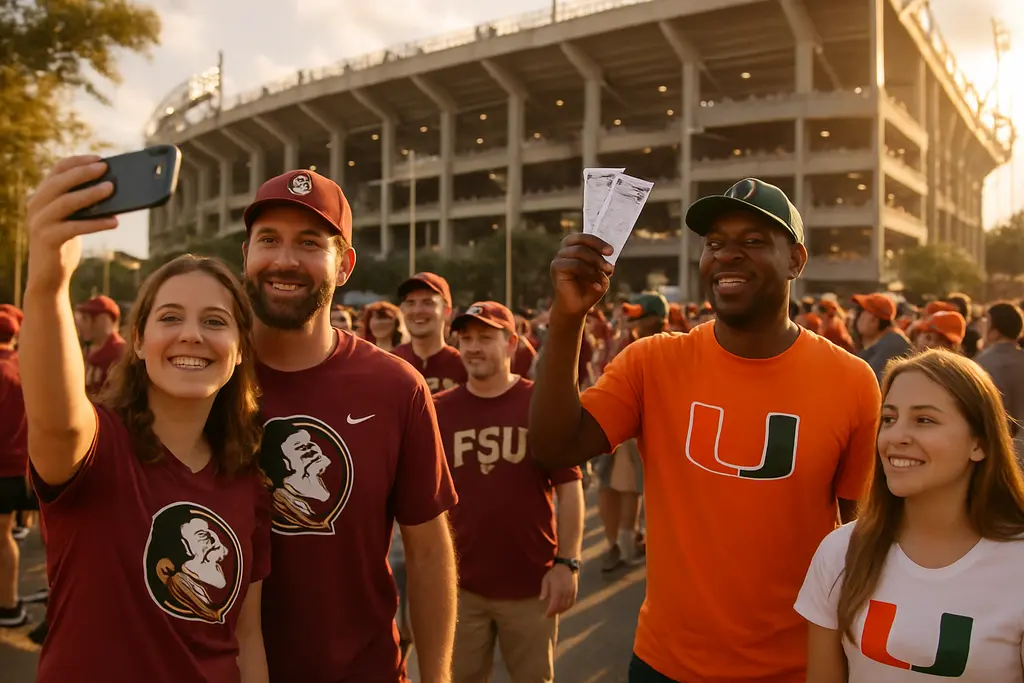
FSU Miami logistics carried a different weight on Oct. 17, 2026 because this rivalry meeting was not a Tallahassee operation. Florida State’s trip to Miami Gardens for a 7:00 PM ET kickoff at Hard Rock Stadium placed the Seminoles in road-game mode, which meant the school’s home routines at Doak Campbell Stadium were more of a planning reference than a direct operating manual.
That distinction matters for Seminole fans. A rivalry trip asks more than a normal Saturday: longer travel, earlier decisions, digital-ticket preparation, bag-policy checks, and patience around stadium traffic. For FSU’s football operation, the road setting also changes the daily rhythm. The team is not controlling gate flow, parking lots, or campus roads. The staff is managing travel timing, player focus, communication, and the mental challenge of a primetime rivalry environment.
Because the Miami game was an away contest, Florida State did not directly run stadium access in Miami Gardens. Still, FSU’s own home-game changes from the 2026 season offer useful signals about how major college football venues are tightening entry windows, parking procedures, and fan movement. That is where the Tallahassee context helps explain the broader matchday picture.
FSU Miami Logistics Start With The Road Reality
Why FSU Miami Logistics Differ From A Doak Saturday
The first planning point was simple: Florida State was the road team. On a home Saturday, Doak Campbell Stadium routines set the pace for local fans, campus officers, parking pass holders, and students moving around Tallahassee. On Oct. 17, 2026, the center of gravity shifted south to Hard Rock Stadium in Miami Gardens.
That changed the role of FSU’s athletic department. The Seminoles’ internal operation still had to be sharp, but the public-facing stadium rules were controlled by the host venue and the home-side operation. For supporters traveling from Tallahassee, South Florida, or elsewhere in the state, the smart read was not to assume Doak policies carried over unchanged. Road venues can differ on gate opening times, bag size, mobile entry, rideshare flow, and parking lot access.
The rivalry setting only raised the need for clean preparation. Florida State-Miami is not a neutral piece of the ACC schedule in the minds of either fan base. It affects recruiting conversations, alumni pride, regional bragging rights, and the way high school prospects across Florida view program momentum. A slow entry line or a missed parking turn does not decide the game, but game-day friction can shape the fan experience around a matchup that already brings enough tension.
The Travel Rhythm Behind The Matchup
For the team, road logistics are part of competitive preparation. Coaches want players on a predictable clock, with meal timing, meetings, transportation, and pregame routines handled without noise. The less the travel day feels scattered, the easier it is for players to lock into assignments once the ball is placed.
For fans, the road rhythm has a different feel. Some made the long trip from Tallahassee, while others came from South Florida’s large Seminole community. That mix matters because this rivalry is not limited to campus life. It stretches across families, workplaces, youth football programs, and recruiting corridors. For more on the road-game frame around this same matchup, our road rivalry planning piece laid out why the Miami trip changes the usual FSU weekend routine.
What Doak Policy Signals Tell Traveling Fans
Gate Timing Shows A Tighter Operating Standard
FSU’s home policies did not govern Hard Rock Stadium, but they did show the direction of college football operations. Florida State announced that main-stand gates at Doak Campbell Stadium opened 90 minutes before kickoff for home games, while suite and club sections opened two hours before kickoff, with reserved parking lots opening five hours before kickoff or no later than noon home game-day changes.
That information does not tell a fan exactly when to enter in Miami Gardens. It does, however, reflect a broader theme: teams and venues are working to control crowd flow earlier and with more defined windows. For a primetime rivalry, that matters. Fans who waited until the last possible stretch before kickoff risked running into a crowded checkpoint, a slower mobile-ticket scan, or a parking queue that compressed the whole pregame routine.
The practical lesson was not panic; it was discipline. Have the ticket ready. Know which gate applies. Confirm bag rules through the host venue rather than guessing from habit. Build enough time for traffic, walking distance, and security screening. Those are not glamorous parts of rivalry week, but they are the difference between entering settled and entering frustrated.
Bag Habits Should Travel, Even If Rules Change
The research notes included FSU’s home clear-bag standard: a clear plastic bag up to 12 inches by 6 inches by 12 inches, plus a small clutch or purse up to 4.5 inches by 6.5 inches. Since the Oct. 17 game was in Miami Gardens, that home rule should not be treated as the final word for Hard Rock Stadium. Still, it gives fans a useful baseline for thinking small and simple.
Rivalry crowds make bag decisions more important than they look. A bag that fails screening can force a fan to return to a vehicle or make another arrangement, and that adds stress before kickoff. The safest planning habit is to reduce what comes through the gate. That approach fits any high-attendance game, especially one with Florida State and Miami sharing a building full of divided colors.
Parking Habits And Access Lessons From Tallahassee
Digital Passes Are No Longer A Minor Detail
Parking is often where a game day is won or lost for families. In Tallahassee, FSU parking is tied to Seminole Boosters allocation, with reserved lots and booster-level passes granting access, and digital passes displayed for entry Seminole Boosters parking information. Again, that structure applied to FSU home games, not the Miami road site. But the habit it teaches travels well: parking access should be treated as a primary document, not an afterthought.
For the Miami Gardens trip, the key lesson was to separate assumptions from verified information. A fan used to a season-long lot in Tallahassee could not simply carry that mindset into an NFL stadium setting. Road venues often direct fans by lot, pass type, approach road, or timing. If the parking plan is vague, the first problem may appear miles from the stadium.
- Ticket readiness: Mobile tickets should be loaded before reaching crowded areas where service can slow.
- Parking clarity: Fans benefit from knowing lot location, entry route, and pass format before departure.
- Bag discipline: Smaller and simpler is usually the better road-game choice.
- Arrival buffer: Rivalry traffic can shrink the margin for late decisions.
Accessibility Planning Needs Venue-Specific Answers
The research notes also referenced ADA shuttle support at FSU home games from Pensacola Street Garage to gates E and J beginning two hours before kickoff. That is a Tallahassee-specific operation. It should not be projected onto Miami Gardens.
Still, accessibility is part of serious game-day analysis, not a side note. Families and older fans need clear information on drop-off points, gate proximity, elevators, shuttles, and postgame traffic flow. For a road rivalry, that means host-stadium details carry the most value. The broader point is that accessibility planning should happen before the trip, not at the curb while traffic stacks up.
Team Rhythm, Community Travel, And Rivalry Pressure

Why Logistics Touch Performance
It is easy to treat logistics as a fan-only topic. Coaches know better. Road games can test communication, emotional control, and sideline composure. A team that handles the off-field schedule cleanly gives itself a better chance to start fast, avoid wasted energy, and settle into the physical parts of the game.
For Florida State, the Miami game also carried recruiting value. Prospects across the state pay attention to how programs look in rivalry settings. They notice crowd presence, player confidence, staff organization, and whether a team seems prepared for the moment. None of that replaces blocking, tackling, pass protection, or third-down execution, but the environment adds context to every snap.
FSU Miami logistics also mattered because the fan base is spread across Florida. A road game in Miami Gardens gave South Florida Seminoles a chance to show up without traveling to Tallahassee. That can strengthen community ties in an area loaded with high school talent and alumni connections. For a program that recruits statewide, presence in South Florida is never just about one Saturday.
The Local Identity Piece
This matchup has always carried a Florida identity. Tallahassee and Miami are different cities with different football cultures, but both feed into the same statewide conversation. Families split by school loyalty, former high school teammates on opposite sidelines, and alumni chapters in South Florida all add texture to the week.
That is why game-day planning is not only operational. It is cultural. When fans travel well, arrive organized, and represent the program with patience, they add to the rivalry without turning the day into a mess. The best road environments are loud, proud, and prepared.
What FSU Miami Logistics Mean On Oct. 17
FSU Miami logistics on Oct. 17, 2026 came down to one clear idea: the Seminoles were borrowing a stage, not hosting one. Florida State’s home-game policies offered useful planning habits, but the Miami Gardens setting required venue-specific awareness. That meant no assumptions about gates, bags, parking, accessibility, or traffic flow.
From a football standpoint, the cleaner the operation, the more attention can stay on the matchup itself. Florida State needed its travel schedule, sideline communication, and pregame rhythm to support the players rather than distract them. Fans needed the same mindset in their own way: prepare early, reduce friction, and understand that a rivalry crowd magnifies small delays.
The broader takeaway is that logistics are part of rivalry football. They shape how families experience the night, how alumni connect around the program, and how South Florida sees Florida State on a major ACC stage. For a game carrying local pride and recruiting attention, FSU Miami logistics were never just about getting through a gate. They were part of how the Seminoles carried themselves into Miami Gardens.