

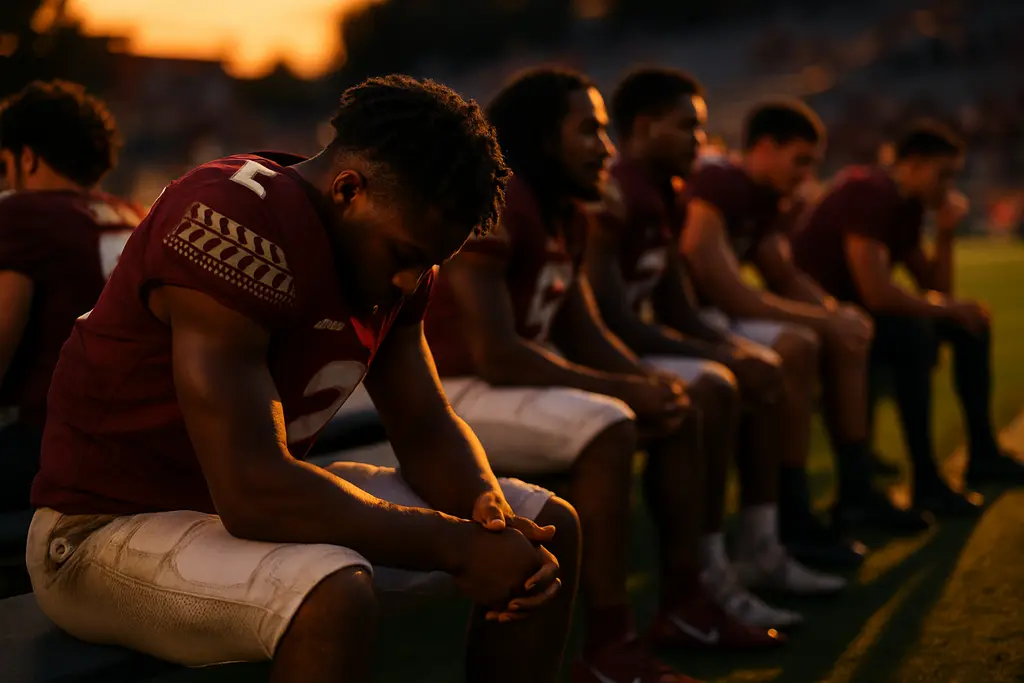
The FSU SMU matchup on September 7, 2026, was framed before kickoff as a measuring stick for Florida State’s ACC readiness. By the time SMU left Doak Campbell Stadium with a 27-24 win, it had become something sharper: a local checkpoint for where the Seminoles were strong, where they were thin, and where Tallahassee’s early confidence needed to be rechecked.
SMU arrived with national standing, ranked No. 19, while Florida State had already opened with a win over New Mexico State, according to the Washington Post preview capsule. That setup mattered because it put two different identities on the same field: SMU’s veteran quarterback-driven passing game against an FSU team that had shown early offensive burst but still carried defensive questions from its opener.
For Florida State supporters around Tallahassee, this was not just a September box score. It was the kind of result that shapes conversations at breakfast spots, youth practices, campus sidewalks and booster tables. The loss did not erase the positives from Week 0, but it did make clear that ACC games punish loose pass protection, missed third-down answers and uneven defensive rhythm.
Why The FSU SMU matchup Turned On Third Down
The pregame concern was plain enough: Florida State had allowed New Mexico State to convert 10 of 17 third downs. Against SMU, that issue took on a different shape. The Seminoles were not just trying to get off the field; they also had to stay on it offensively. They finished 2 of 15 on third down, a number that tells a hard story without needing much decoration.
FSU SMU matchup Pressure Points
The FSU SMU matchup showed how fast a game can narrow when third downs become predictable. SMU recorded three sacks, four quarterback hits and eight tackles for loss. Those plays did more than end drives. They changed field position, limited play-calling choices and kept Florida State from building long possessions that could have settled the stadium.
Before the game, one of the clear strategic questions was whether Florida State could protect Ashton Daniels in obvious passing spots. The answer was mixed at best. The run game still had moments, as FSU finished with 199 rushing yards, but the passing game produced only 125 yards. That imbalance let SMU attack passing downs with confidence.
Early-Down Control Slipped Away
Florida State’s best path was to stay ahead of the chains. That meant efficient first-down runs, quick throws and enough variety to stop SMU from crowding the line. The Seminoles did enough on the ground to show the concept had merit, but not enough through the air to keep SMU honest for four quarters.
SMU, by contrast, reached 585 total yards: 430 passing and 155 rushing. That balance made third down less frantic for the Mustangs. Kevin Jennings could push the ball downfield, but SMU also had enough rushing output to avoid becoming one-dimensional. For Florida State, that was the defensive warning sign coaches had already circled before kickoff.
Key Players Who Shaped The Result
Quarterback Kevin Jennings entered the game as the clear headliner for SMU. Before kickoff, his career profile already demanded attention: 7,709 passing yards, 55 passing touchdowns, 10 rushing touchdowns and 559 rushing yards. SMU’s 2025 offense had averaged 416.9 total yards per game and 283.1 passing yards per game, while Florida State’s 2025 offense had averaged 419 yards per game and more than 217 rushing yards per game, per the college football capsule.
Kevin Jennings Delivered The Stress Test
Jennings finished 26 of 36 for 430 yards, three touchdowns and two interceptions. Florida State did create two takeaways, which cannot be dismissed. But Jennings still controlled enough of the night to tilt the game. He punished coverage issues and gave SMU the explosive passing threat FSU had to limit.
That is where the local frustration sits. Florida State did not completely lose the turnover battle in spirit because the defense found the ball twice. Yet the Seminoles could not turn those moments into enough scoreboard separation. Against a ranked ACC opponent, takeaways need to become drives, rest for the defense and points.
Samuel Singleton Jr. Remained Central
For FSU, Samuel Singleton Jr. came in with real momentum after producing 164 all-purpose yards and two touchdowns against New Mexico State on August 29, 2026. His role was always going to matter because he gave Florida State multiple entry points into the offense: carries, receiving touches and special teams value.
That versatility is still one of FSU’s most useful traits. The issue against SMU was not whether players like Singleton could contribute. It was whether the offense could tie those touches to a steadier passing structure. Ousmane Kromah had already shown rushing value in the opener, and the backs remained part of the answer. But SMU’s defensive front made the Seminoles prove they could win in the air, and that never became stable enough.
Strategies That Worked And Missed
Before kickoff, the expected Florida State blueprint was clear: stop the run early, pressure Jennings on passing downs and use the run game to set up play action. SMU’s plan was just as direct: trust Jennings, lean on experience up front and force FSU’s offense into long-yardage decisions.
Where Florida State Had A Plan
The Seminoles did not enter without answers. The rushing total shows that the offensive line and backs could still create movement. The two interceptions of Jennings showed that defenders were not passive. Those are workable pieces for a coaching staff trying to build a response after a narrow loss.
Still, the game exposed the gap between having pieces and stacking complete series. A strong run on first down does less if a protection bust follows. A takeaway loses force if the next possession stalls. A good defensive call matters less if third-down contain breaks two snaps later.
Where SMU Changed The Game Flow
Turnovers had been identified before the game as a major swing point, including in SI’s game preview. SMU survived its two interceptions because its defense kept answering. That was the hinge. The Mustangs did not need to be clean on every drive because they were disruptive enough to prevent Florida State from finding comfort.
For more on how this result reset the local ACC conversation, our staff’s related breakdown of the FSU SMU loss tracks the same pressure points from a schedule and standings angle.
Tallahassee Takeaways After The SMU Loss
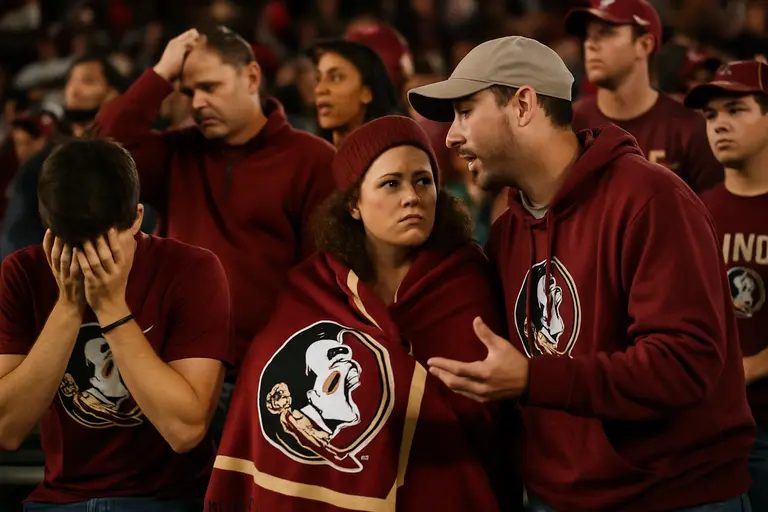
Losses like this land differently in Tallahassee because the community reads them through memory. Florida State fans have seen teams grow from shaky September stretches, and they have seen warning signs harden into season-long habits. The next step is not panic. It is identification.
What The FSU SMU matchup Says About ACC Tests
The FSU SMU matchup said Florida State has a run game that can still travel and enough defensive playmaking to steal possessions. It also said the Seminoles cannot live at 2 of 15 on third down and expect to control ranked opponents. That number will follow the staff into every film room and every practice script.
- Pass protection must improve: SMU’s pressure turned passing downs into survival snaps.
- Third-down defense needs steadier answers: Jennings made FSU pay when drives extended.
- Explosive balance matters: A 199-yard rushing night lost value because the passing game stayed limited.
- Takeaways need payoff: Two interceptions should become more than empty encouragement.
This is where player development becomes more than a phrase. Younger linemen, defensive backs and receivers have to convert practice gains into Saturday and Monday execution. Coaches can call better situations, but players have to win the ordinary snaps before the highlight plays arrive.
Why The FSU SMU matchup Still Matters Locally
The FSU SMU matchup still matters because it gave Tallahassee an honest read before the season could drift into easy storylines. Florida State was close enough to win and flawed enough to lose. That combination is uncomfortable, but it is also useful if the staff treats it with urgency.
For the community, the 27-24 score will sting because Doak Campbell Stadium has long been where Florida State expects to set terms, not chase them. But the better reading is not despair. It is that ACC play will ask more of this roster than one strong opener could reveal. The Seminoles have offensive talent, a ground game with teeth and defenders capable of taking the ball away. Now they need cleaner protection, sharper third-down structure and a passing rhythm that gives those strengths room to breathe.
That is the local charge after September 7, 2026: turn a narrow home loss into useful evidence. In Tallahassee, that work is never just about the next opponent. It is about the standard Florida State carries into every week, and whether this team can meet it before missed chances become a pattern.