

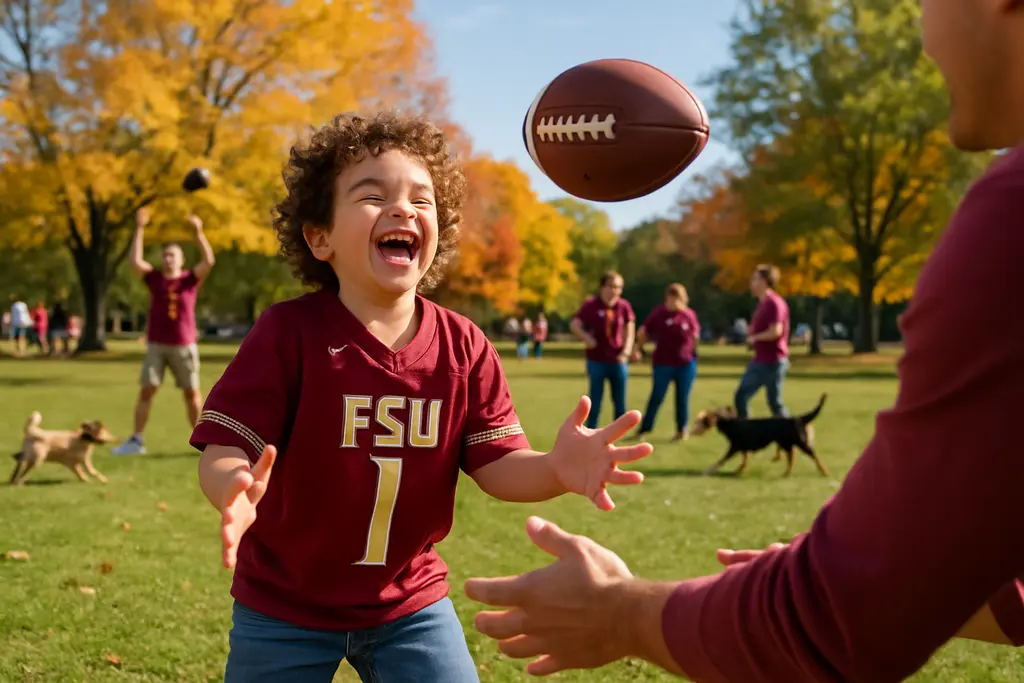
FSU Family Weekend has now moved from the planning calendar to the memory bank, and the Sept. 25-27, 2026 event gave Florida State a clear case study in how fan engagement can reach well beyond one football Saturday. Built around the university’s 175th anniversary and a wider celebration of “Seminole spirit,” the weekend was expected to bring more than 700 families to campus, according to FSU’s announcement. For a sports town like Tallahassee, that matters. Family visits, campus traditions, football traffic and student-led events all fed the same local rhythm.
How FSU Family Weekend Connected Fans And Families
The strongest fan engagement from the weekend came from how Florida State spread activity across campus rather than placing all attention on the football game alone. The football matchup against Central Arkansas on Sept. 26 gave families a familiar game-day anchor, but it was surrounded by events that spoke to different parts of the Seminole experience.
The official signature lineup included Friday Night @ FSU, Get Up, It’s Game Day! Fun Run & Walk, Tailgate Brunch, the Garnet & Gold Tailgate before the Central Arkansas game, and Flying High Circus performances at 6:00 p.m. and 9:00 p.m., as listed on the Family Weekend events page. That structure gave visiting parents, siblings and relatives more than one way to feel tied to campus. Some families entered through athletics. Others entered through performance, student life, recreation or academic stops.
FSU Family Weekend Used Football As The Anchor
The Central Arkansas game served as the weekend’s natural gathering point. Football in Tallahassee has always carried more than a scoreboard function, especially when families are already in town. It shapes hotel stays, restaurant traffic, campus movement and the pace of Saturday conversations. For visiting families, a game-day event also helps connect what their student sees each fall with what relatives may only know from television or social media.
That does not mean the weekend was only a football weekend. The smarter reading is that football acted as the public square. It gave families a shared destination, while the rest of the event schedule filled in the texture around it. That balance is key for Florida State, because parent engagement is strongest when families can see academics, student organizations, recreation and traditions sitting beside athletics instead of behind them.
Student Banners Added A Campus Voice
One of the most useful engagement pieces was the first-time student banner competition tied to the 175th anniversary. More than 20 Registered Student Organizations signed up, with banners displayed in the Student Union. Voting ran from Thursday, Sept. 24 through Sunday, Sept. 27, and winners were set to be announced Monday, Sept. 28.
That detail may sound small beside a football crowd, but it gave students a visible role in a weekend often designed around visiting families. It also turned the Student Union into more than a pass-through point. Families could see student organizations represented, compare creative work and connect campus identity with the people building it day by day. In sports terms, it was a recruiting window for campus culture: not a player visit, but a look at the team behind the university community.
Campus Events Expanded The Fan Experience
The sold-out Flying High Circus performances showed how strong demand remained for traditions beyond the stadium. Ticket sales for all signature events ended before the weekend, and the circus shows were sold out, reinforcing that Family Weekend planning now has a real pace to it. Families who waited too long did not have the same access as those who planned early.
The Family Weekend t-shirt and the official “My FSU Experience” water bottle also gave the weekend a keepsake layer. Pre-ordered items were distributed during check-in starting Friday, Sept. 25. Those pieces are not just merchandise; they become markers of a visit. A shirt worn back home or a bottle carried around campus keeps the connection visible after the weekend ends.
Recreation Access Opened More Of Campus
During the weekend, family members could access several campus recreation facilities for free when visiting with their student, including the Leach Center, Fitness & Movement Clinic and FSU Lakefront Park. That widened the idea of what a sports-centered visit could be. Instead of only watching athletes perform, families had the chance to experience places where students train, relax and build routines.
Lakefront Park, in particular, gave the weekend a slower counterweight to stadium energy. For families making the trip to Tallahassee, that kind of space matters. It lets them see where student life breathes outside lecture halls and outside Doak Campbell Stadium. It also ties into a larger point: Florida State’s sports identity is not limited to varsity competition. Recreation, wellness and shared outdoor space all support the campus culture that helps students stay connected.
Academic Stops Helped Tell The Full Story
The weekend also gave families ways to explore academic resources, including Strozier Library, the Honors, Scholars and Fellows House, the Center for Academic Retention and Enhancement, and academic colleges. Themed paths such as “Academic Pursuits” and “Athletic Treasures” helped families shape their schedule around what mattered most to them.
That kind of planning has real value for a university with a major sports profile. Big football weekends can easily crowd out the classroom story. Florida State used the Sept. 25-27 schedule to place academics back into the same conversation as athletics. For families of first-year students or students still finding their footing, those stops may have been as meaningful as any pregame event.
What The Weekend Meant For Tallahassee
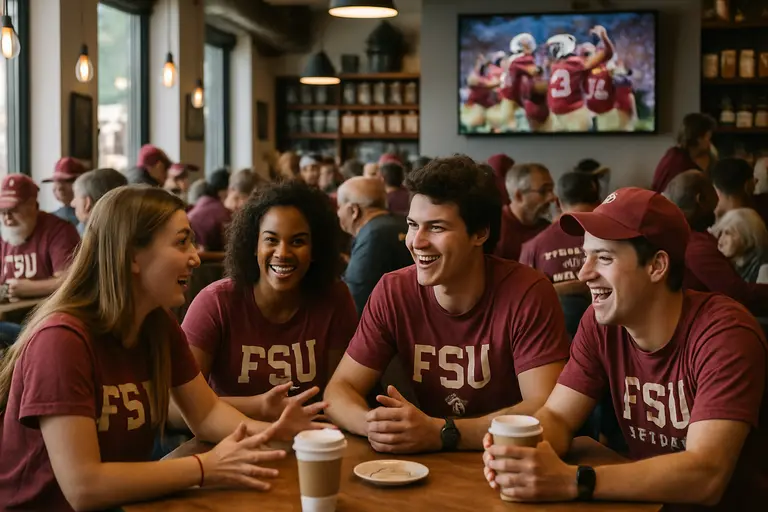
For Tallahassee, the weekend brought the familiar mix of campus pride and local movement. More than 700 expected families meant more cars, more meals, more campus foot traffic and more people seeing the city through a Florida State lens. Local sports identity depends on those weekends. They remind residents that FSU athletics is not separate from the city’s daily life; it feeds into business patterns, neighborhood routines and the way alumni and families talk about coming back.
The Garnet & Gold Tailgate before the Central Arkansas game was especially important because it placed families in a shared fan setting before kickoff. For a related local read on how the tailgate fit into the Sept. 26 schedule, our preview of the Garnet & Gold Tailgate captured why that event mattered to game-day planning.
Partnership opportunities also pointed to how broad the weekend has become. On-campus departments and groups could connect through levels named Garnet, Gold, Legacy and Unconquered, with exposure through digital guides, event signage, promotional materials and featured social media posts. That gave campus groups a way to meet families where they already were, rather than waiting for them to find an office or resource table on their own.
Why FSU Family Weekend Still Matters Locally
FSU Family Weekend worked because it treated fan engagement as a campus-wide effort, not a single event wrapped around kickoff. The weekend joined football, student organizations, circus tradition, recreation access, academic resources and family keepsakes into one shared visit. For Florida State, that is the kind of engagement that can last after the parking lots clear.
The lasting takeaway is simple: families do not come to Tallahassee only to observe. They come to understand where their students live, study, cheer, exercise and build friendships. When the schedule gives them several entry points, they leave with a fuller view of Seminole life. That is good for the university, good for local sports culture and good for the community that welcomes these families each fall.