

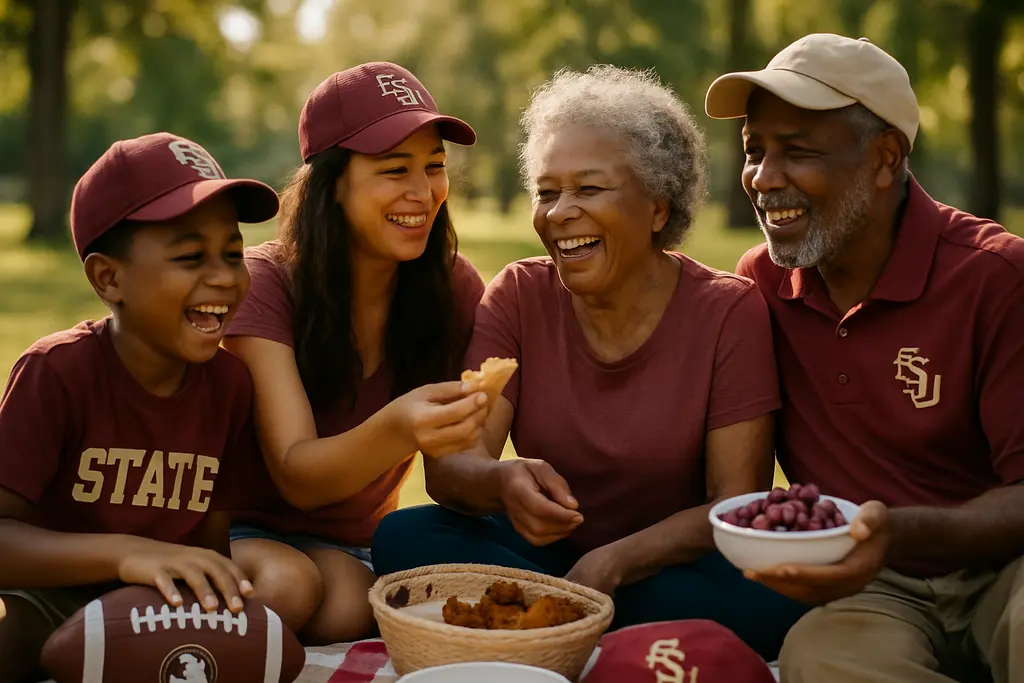
On September 25-27, 2026, FSU Family Weekend will again pull parents, siblings, alumni, and students into the same Tallahassee rhythm: campus walks, student traditions, and a football Saturday at Doak Campbell Stadium. As of September 23, 2026, that weekend had not yet taken place, so the story is partly about planning. But its deeper meaning sits in the past, where a student-centered fall gathering became one of Florida State’s clearest links between home, school, and sport.
Why FSU Family Weekend Still Matters
FSU Family Weekend Began With Campus-Made Rituals
Florida State traces its first Family Weekend to 1958, and the early program was built around student life as much as athletics. The university’s own history of the weekend lists fraternity, sorority, and residence-hall decorating contests, the Flying High Circus, starlight concerts, water ballet, a picnic, and a baseball game among those early activities; it also says the tradition has been held each fall semester since 1958 Family Weekend history. That matters because the event did not begin as a polished visitor package. It began as a campus showing itself to families through student work, student talent, and shared spaces.
In a college town like Tallahassee, that kind of origin carries weight. Families did not simply arrive for a scoreboard. They came to see where their sons and daughters lived, studied, performed, joined organizations, and learned the customs that make Florida State feel distinct. The baseball game in the first program reminds us that athletics were already part of the weekend’s grammar, but they were one part of a wider campus conversation.
From Circus Tents To Stadium Saturdays
The Flying High Circus has long been one of Florida State’s signature student traditions. Research notes supplied for this story identify it as founded in 1947, and Family Weekend has regularly given it a prominent place. That connection says plenty about FSU. The circus is athletic, theatrical, disciplined, and student-run in spirit. It gives families a different view of Seminole performance, one not measured in yards or points but in timing, trust, and practice.
That blend has helped the weekend age well. A football game can gather the largest crowd, but the weekend’s older DNA includes performances, meals, decorations, races, and informal family walks across campus. The sports side brings sound and scale; the student side brings texture. Put together, they explain why this tradition has lasted across generations of enrollment, coaching changes, building projects, and shifting campus habits.
How The Tradition Connects Families And Football
The September 2026 Schedule Brings Generations Back
The 2026 weekend is scheduled for September 25-27, with the home football game against Central Arkansas at Doak Campbell Stadium on September 26 at 3:00 p.m. ET, according to the research provided. The timing turns FSU Family Weekend into a bridge between campus life and a fall Saturday, the kind of pairing that lets a parent understand why a student’s week often bends around kickoff, tailgate plans, and the sound of the Marching Chiefs.
There is a practical side, too. A family weekend tied to football affects hotel demand, restaurant traffic, campus parking patterns, and the pace of local streets. Tallahassee businesses feel these weekends because visiting families tend to move through the city in waves: breakfast near campus, a stop at the bookstore, an afternoon tailgate, dinner after the game, and a Sunday goodbye that always feels too short. For more on the 2026 planning angle, our related piece on how Family Weekend builds Seminole bonds tracks how the date fits the larger campus calendar.
The Sports Thread Beneath The Student Weekend
Recent Family Weekend programming has included Friday Night @ FSU, Flying High Circus shows, the Garnet & Gold Tailgate before football, Get Up, It’s Game Day! Fun Run & Walk, and a Tailgate Brunch, based on the research notes. Those events show how the weekend has become a sports-adjacent gathering even when the activity is not a formal competition. A fun run brings movement into the morning. A tailgate turns a parking area or campus space into a reunion point. A football game gives families a common destination.
The Garnet & Gold Tailgate, according to the supplied research, started in 1998 when two devoted FSU fans initiated it; by 2023, 25 years later, it had become nationally known in college football. That growth fits the broader arc of the weekend. What begins as a small act of fan hospitality can, over time, become part of the way a university welcomes its own people back.
What Changed From 1958 To 2026
Events Grew, But The Purpose Stayed Close
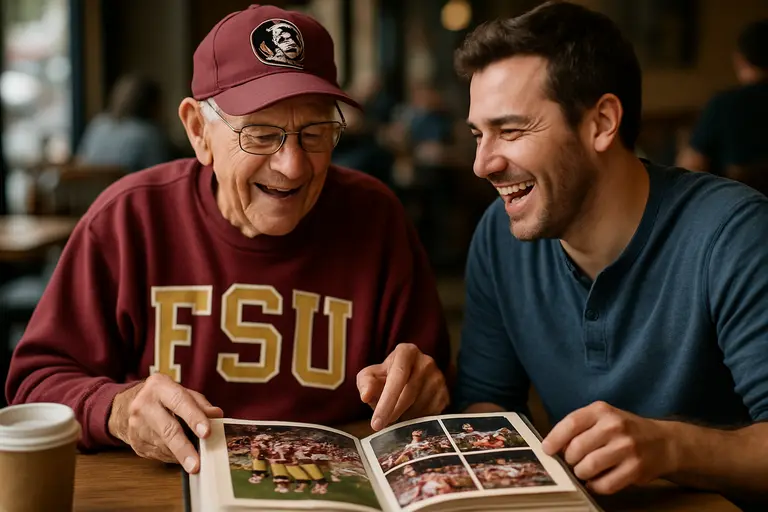
The biggest change from 1958 to 2026 is scale. The early weekend included decorating contests, concerts, water ballet, a picnic, baseball, and the circus. By September 19-21, 2025, FSU Family Weekend was presented as a full university gathering with a modern event schedule, according to a Florida State university announcement. The names of events changed, and football has become a central anchor in many years, but the purpose remains familiar: bring families into the student experience rather than leaving them outside the campus gates.
That is the part worth protecting. Big weekends can become crowded, scheduled, and hard to manage, especially around a home football date. Yet the best version of the tradition still gives families a clearer sense of everyday student life. A parent may remember the circus act, the brunch line, the walk past Landis Green, or the first time seeing Doak full of garnet and gold. Those details turn a visit into a family memory.
Attendance Shows The Scale Of The Return
Research notes from FSU Student Affairs report that 3,055 families attended Family Weekend in 2025. That number gives the tradition a local footprint. Thousands of families mean more than campus photos; they mean traffic on Tennessee Street, packed lunch counters, hotel rooms filled across the city, and first-time visitors forming an opinion of Tallahassee through the lens of Florida State.
- For students: the weekend offers a chance to show independence without cutting the family tie.
- For families: it makes campus less abstract and gives context to calls home about classes, roommates, and game days.
- For Tallahassee: it brings a fall surge that connects local businesses to the university’s calendar.
The research notes also reference anniversary themes tied to FSU’s founding on January 24, 1851, but they conflict on the anniversary year. Rather than overstate that point, the safer reading is that the 2026 weekend sits within a broader period of institutional memory. That fits the occasion anyway. Family Weekend has always been about linking what Florida State was, what students are living now, and what families carry home.
Why Family Weekend Traditions Shape FSU Identity
Seen through a sports lens, FSU Family Weekend is not just a campus open house with a football game attached. It is a fall marker that explains how Florida State builds belonging. The stadium gives the weekend volume. The circus gives it personality. The family meals and walks give it tenderness. The student events give it ownership.
That is why FSU Family Weekend remains one of the cleaner examples of how college athletics can serve a community without making the story only about wins and losses. The Central Arkansas game on September 26, 2026, will draw much of the attention because football does that in Tallahassee. Still, the older tradition asks families to see the larger picture: a university where sport, performance, student life, and local pride have been meeting each fall since 1958.