

FSU Miami logistics require a reset before anyone packs a clear bag for Doak Campbell Stadium. Florida State’s matchup with No. 3 Miami on Saturday, October 17, 2026, is listed as a 7:00 PM EDT road game at Hard Rock Stadium in Miami Gardens, not a Tallahassee home game, according to the official FSU football schedule. That detail matters for families, alumni groups, student tailgates, and local businesses that usually build their plans around a packed Doak weekend.
The correction is not just a scheduling footnote. In Tallahassee, the difference between a home rivalry Saturday and a road rivalry Saturday changes traffic flow, campus staffing, fan zone activity, restaurant patterns, and the emotional rhythm of the week. Miami week still carries the old charge, but on October 17, 2026, the center of the live game-day operation will be in South Florida. Doak-related guidance is still useful for the next Florida State home dates, yet it should not be mistaken for Miami-specific stadium planning.
FSU Miami Logistics Start With The Venue
FSU Miami Logistics And The Away-Game Reality
The first planning point is simple: the Seminoles are not hosting Miami at Doak Campbell Stadium on October 17, 2026. The official schedule places the game at Hard Rock Stadium in Miami Gardens with a 7:00 PM EDT kickoff. That means fans should not expect the normal Tallahassee home-game sequence around Legacy Walk, Langford Green, Doak gates, or campus-controlled parking to apply to this rivalry date.
That distinction may sound obvious once it is stated, but rivalry weeks can blur the details. Florida State and Miami bring decades of memory into every meeting, and local talk often defaults to Doak images: garnet lots filling up, College Town foot traffic, the Marching Chiefs pushing sound across campus, and families setting up early on game day. For October 17, 2026, those memories frame the emotion, not the location.
For Tallahassee residents, the practical result is a quieter campus than a true Miami home game would create. For traveling FSU fans, the work shifts to South Florida logistics: road timing, hotel plans, venue parking, and stadium entry rules at Hard Rock Stadium. The research provided here does not include Hard Rock Stadium fan-zone details, so it would be inaccurate to treat Doak procedures as if they transfer directly to Miami Gardens.
Why The Correction Matters To Tallahassee Fans
A home Miami game in Tallahassee would normally pull in fans who may only return to campus for the biggest dates. That kind of weekend affects parents visiting students, alumni chapters meeting near campus, and local restaurants preparing for a surge. Since this specific game is away, the community impact is different. Watch parties, private gatherings, and smaller local meetups may replace the heavy stadium-area movement that comes with a Doak sellout atmosphere.
This is where FSU Miami logistics become less about a single parking pass and more about setting expectations. A fan who plans for a Doak game on October 17 would be planning around the wrong venue. A family deciding whether to bring kids to a campus fan zone for Miami week needs to know that the listed game site is not Tallahassee. A student group making Saturday plans should separate rivalry spirit from stadium operations.
Doak Game-Day Planning For Other Home Dates
Fan Zones Before Kickoff
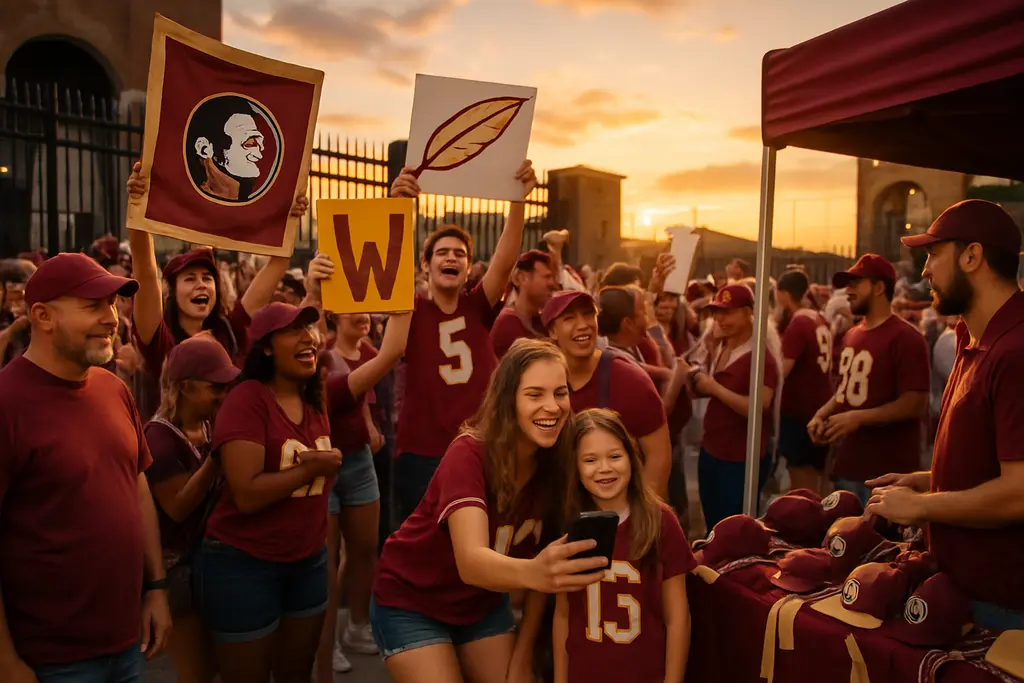
Florida State’s home game-day setup still offers a strong model for future Tallahassee Saturdays. The research notes two major pregame gathering spaces for home games: the Coca-Cola Tailgate Village on Howser Green and Ford Fan Fest at Langford Green. Both are described as opening four hours before kickoff. The Tailgate Village is tied to activities such as inflatables, tailgating games, youth-friendly options, face painting, and the FSU Kids Club tent, while Ford Fan Fest includes food trucks, games, giveaways, inflatables, and entertainment for all ages.
Those details matter because Doak Saturdays are not built only for the person who walks straight from a parking space to a seat. They are built for families trying to keep children engaged, alumni reconnecting with campus, and fans who use the pregame hours to feel part of the wider Florida State community. On a true home date, these zones help spread crowd arrival across the afternoon rather than forcing everyone into the stadium gates at the same time.
For readers comparing past Doak routines with 2026 planning, our related breakdown of FSU traffic tips gives more local context on how shared campus dates and road patterns shape the fan experience.
Traditions That Shape The Clock
Home games at Doak also run on tradition, not just kickoff. The research notes that the Legacy Walk typically begins about two hours and 15 minutes before kickoff, with fans lining the route from the Heritage Fountain as the team moves toward the stadium. The Marching Chiefs’ Skull Session follows in the pregame sequence. For evening games, the Spear Lighting of the Unconquered Statue on Langford Green is described as taking place just before sunset, around 5:30 PM for night games, with the flame burning through the night.
Inside the stadium, the entrance of Osceola and Renegade and the spear planting at midfield remain part of the final minutes before kickoff. That timing has practical weight. If a fan wants to see those traditions, arriving at the gate at the last minute is usually too late. For many Seminole families, those moments are not side entertainment. They are part of why a home game at Doak feels different from watching from a couch or gathering at a restaurant.
Still, these home traditions should not be attached to the October 17, 2026 Miami game. FSU Miami logistics for that date start with the away venue. Doak traditions remain relevant for other Florida State home games, not for the stadium operation in Miami Gardens.
Traffic, Entry, And Access Around Doak
Road Changes Near Campus
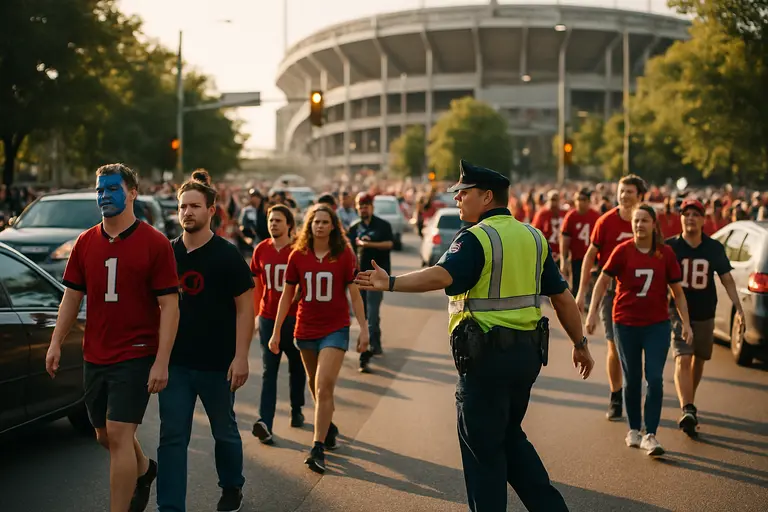
For home games in Tallahassee, traffic planning begins well before kickoff. Florida State has advised that roads near campus can be modified on game days, including Pensacola Street between Duval Street and Chieftan Way. The university also noted that traffic signals may be set to flash to prioritize game traffic starting about three hours before kickoff, with local police directing control in key areas, according to FSU game-day traffic guidance.
That kind of road management reflects the scale of a Doak Saturday. When campus routes change, the impact reaches beyond fans with tickets. Students, staff, rideshare drivers, nearby residents, and local businesses all feel the altered flow. The smartest home-game plans are not built around the fastest possible arrival. They are built around patience, early movement, and a willingness to adjust once police and parking staff direct traffic.
For the October 17, 2026 rivalry game, those Tallahassee traffic notes should not be read as Miami Gardens instructions. They are useful for Florida State home games, but they do not replace venue-specific information for Hard Rock Stadium. That difference is central to responsible FSU Miami logistics.
Bags, Tickets, And Accessible Routes
The research also notes that Florida State enforces a clear bag policy for home games: one clear plastic or vinyl bag no larger than 12 inches by 6 inches by 12 inches per person, plus a clutch or small purse no larger than 4.5 inches by 6.5 inches. Digital tickets are encouraged to reduce delays. While those policies apply to the Doak environment described in the research, fans traveling to Miami Gardens should verify the rules for Hard Rock Stadium rather than assuming the same limits apply.
Accessibility is another area where venue accuracy matters. The research describes ADA parking at Florida State home games as requiring an application, with reserved areas such as Pensacola Street Garage level 1. It also identifies accessible seating areas in lower-level, concourse-level, east-side, west-side, and south-side sections of Doak, along with elevators at Gates E, L, and J. Those are Doak details. They can help fans understand how Florida State structures access at home, but they are not a substitute for the away venue’s procedures.
- Confirm the venue first: October 17, 2026 is Miami Gardens, not Tallahassee.
- Use Doak rules for Doak games: Clear bags, gates, fan zones, and accessible routes are venue-specific.
- Build in time: Home-game traffic changes can begin about three hours before kickoff near campus.
- Separate tradition from logistics: Legacy Walk and Langford Green events belong to the home-game setting.
What The Miami Week Reset Means For Seminole Fans
The cleanest takeaway is also the most useful: the rivalry is real, but the home-game plan is not. FSU Miami logistics for Saturday, October 17, 2026 begin with Hard Rock Stadium because that is where the game is scheduled. Tallahassee can still carry the week emotionally. Fans can still gather, argue matchups, wear garnet and gold around town, and treat Miami week like one of the calendar’s fixed points. What they should not do is plan as if Doak Campbell Stadium is hosting the game.
For future home games, the familiar pieces remain worth knowing. Fan zones opening four hours before kickoff can shape family arrival times. Gates opening two hours before kickoff can guide stadium entry. Legacy Walk timing can set the afternoon schedule. Traffic changes around Pensacola Street and nearby campus routes can affect anyone moving through the area, whether they are holding a ticket or just trying to cross town.
That is the balance Seminole fans have to strike in mid-October 2026. Respect the rivalry, but respect the schedule even more. A good plan starts with the correct venue, then works backward through travel, entry rules, parking, traditions, and the people joining you. For this Miami date, the Doak playbook belongs on the shelf until the next Tallahassee kickoff. For every true home Saturday after that, it becomes the difference between a stressful arrival and a day that feels like Florida State football should feel: communal, loud, and rooted in place.