

FSU Facility Upgrades gave Florida State football something it had chased for years: a modern football home built around training, recovery, meetings, recruiting and daily efficiency. The Albert J. and Judith A. Dunlap Football Center opened in October 2025 as a 150,000-square-foot football-only operations facility, and Doak Campbell Stadium’s major renovation was completed in time for the August 30, 2025 opener against Alabama. Those projects changed the physical routine around the program. They did not, by themselves, erase the hard truth of a 5-7 season in 2025.
That tension is the real story in Tallahassee. Facilities matter because players live inside routines. Coaches teach through repetition. Trainers need access. Recruits notice whether a program looks and feels serious about development. But the scoreboard still asks a colder question: did the work inside the building show up on Saturdays?
What FSU Facility Upgrades Changed First
FSU Facility Upgrades And Daily Training
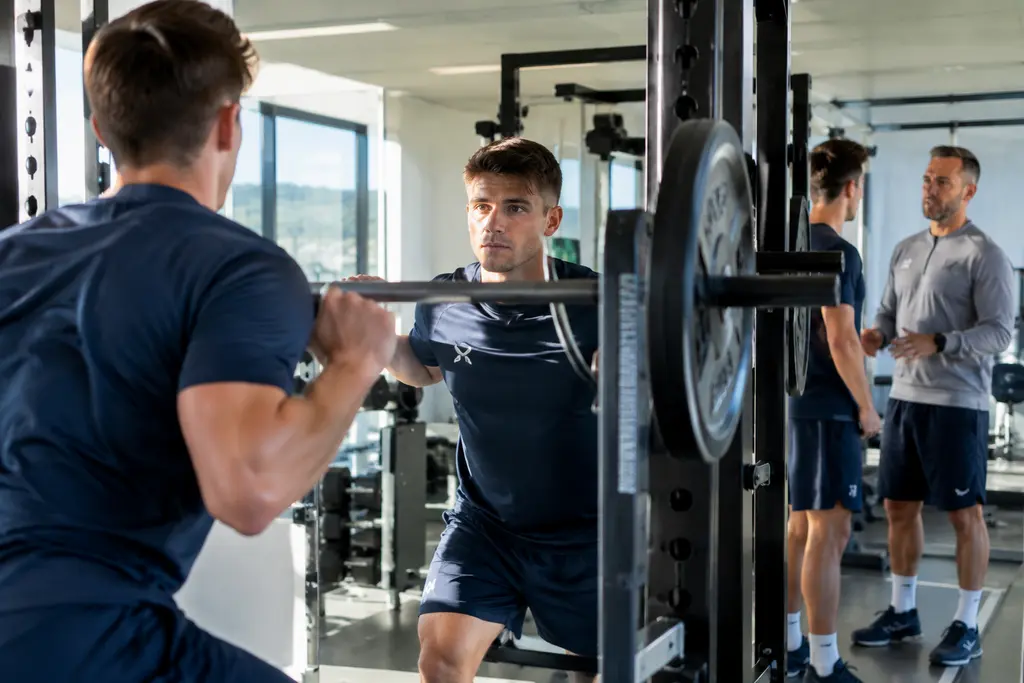
The Dunlap Football Center changed the map of Florida State’s work week. The building brought a large weight room, hydrotherapy and recovery spaces, nutrition stations, conference and position meeting rooms, offices, video production space and a recruiting center into a football-only setting. For a roster that depends on small blocks of time between class, lifting, rehab, meetings and field work, the value is not abstract. It is measured in fewer wasted minutes and fewer trips across scattered spaces.
By August 2026, head coach Mike Norvell described the Dunlap center as a “tremendous asset,” saying the setup reduced logistical inefficiencies because staff and players no longer had to move among several locations for strength work, meetings, rehab and position work Norvell on the facility. That matters in college football because the calendar is tight and the roster is large. A five-minute delay repeated across position groups can become a lost teaching period. A recovery area that sits closer to the weight room can turn treatment into part of the normal day rather than a separate errand.
The two outdoor Al Dunlap Football Practice Fields also were upgraded in 2025, with a new tower placed between the fields for video capture and viewing. That addition may not carry the same public shine as a new building, but coaches build practice habits through film. Better angles help correct footwork, spacing, run fits and route timing. In a sport where an inch of leverage can change a drive, the film tower is not decoration. It is a teaching tool.
The Weight Room Ripple Effect
Those FSU Facility Upgrades also eased pressure on the older Moore Athletic Center weight room. The $138 million Dunlap project added football-specific performance space, which let strength and conditioning work fit the size and rhythm of a football roster. That shift matters most in the parts of the year that fans do not see: winter training, summer conditioning, return-to-play work and early-week recovery after ACC games.
Florida State has always sold tradition, helmets, rivalries and the pull of Doak on a hot Tallahassee Saturday. The facility push added a different recruiting pitch: the daily life of a player. A recruit can walk through a building and imagine where he will lift, eat, study film, meet coaches and recover. The research available does not prove a direct win total tied to the building, and no honest reading should pretend otherwise. The fair reading is narrower, but still meaningful: Florida State improved the environment where development is supposed to happen.
Training Gains Without Instant Proof
What The 2025 Record Said
The 2025 season forced a sober read. Florida State finished 5-7, including 2-6 in ACC play. That record sits in plain view against the celebration of new space. It tells every booster, former player and Saturday regular the same thing: a new center can support a program, but it cannot block a defensive end, call third down or finish drives.
The question around FSU Facility Upgrades was never whether nicer rooms could make a player stronger by magic. The question was whether better structure could help coaches and athletes stack better days. In that sense, the early answer was mixed. The win-loss record fell short. Still, parts of the offensive profile did show progress during 2025, with points-per-play average and success rate rankings cited in the research, along with improvement in run-game line-yards per carry and a lower stuff rate under Norvell’s period at FSU.
Those numbers do not cancel the losing record. They do suggest that performance review should be more careful than a thumbs-up or thumbs-down verdict. A team can improve in some teaching areas and still lose too many games. A better run-game profile can coexist with missed chances, defensive strain, special teams swings or schedule pressure. Facilities create conditions. Football still demands execution under stress.
Why Recovery Space Matters
Recovery is not a side room in modern college football; it is part of preparation. Hydrotherapy areas, nutrition stations and rehab space give trainers more tools to keep players in the weekly cycle. For local fans, that part can be easy to miss because it does not produce a highlight. But anyone who has watched an ACC season grind into November knows the physical toll shapes depth charts long before kickoff.
In a community that studies every injury report and every offensive line shuffle, recovery space carries practical value. It can help players receive treatment faster, stay closer to staff and keep their days organized. That does not guarantee availability, and it should not be framed as medical certainty. It means Florida State invested in the kind of environment that serious programs use to support player care.
Recruiting, Debt, And Community Pressure
The Sales Pitch Has A Price
Recruiting is one of the clearest places where the Dunlap Football Center can matter, even without a clean public statistic tying facilities to commitments. Florida State officials and Norvell have pointed to amenities, training space and recovery environments as part of the program’s competitive edge. That aligns with what families and prospects see on visits: not just a stadium, but a daily setup.
The stadium side brought a different kind of change. Doak Campbell Stadium underwent a $265 million renovation completed before the August 30, 2025 Alabama opener. The project included premium climate-controlled club spaces, wider seats, more leg room, improved concourses, restrooms, vertical circulation, updated lighting and code compliance. Capacity changed too, moving from a peak around 82,300 to about 67,277 after the seating changes.
That capacity shift is more than a number on a stadium chart. It changes the feel of scarcity around big home games and repositions part of the building toward premium experiences. For some longtime fans, wider seats and easier movement are welcome. For others, the smaller capacity can feel like a different Doak than the one they grew up with. Both reactions can be true because stadium projects always land in the middle of memory, comfort, revenue and access.
Local Buy-In And The Debt Question
The financial side cannot be brushed aside. FSU incurred $306 million in debt tied to renovations of Doak Campbell Stadium and the standalone football facilities, placing the school among the larger facility debt stories in college football facility debt report. That figure gives the upgrades a second scoreboard, one tracked by revenue, donor support, attendance patterns and long-term athletic department planning.
For Tallahassee, facility spending is not just an athletic department note. Football weekends touch hotels, restaurants, parking lots, campus workers, alumni travel and family routines. A better stadium can improve comfort and extend the day for fans. A better football center can help recruiting visits and campus energy. Yet the debt load raises fair questions about pressure: how much winning is needed to make the investment feel balanced, and how much patience will supporters show if results lag?
That is why the community piece matters. Florida State football has long been bigger than a Saturday score. It is a local economic engine and a shared identity point for alumni, students and families across the Panhandle. The facility push fits the same thread covered in our piece on FSU community support, where donor strength and fan identity meet the harder questions about the program’s next era.
Why FSU Facility Upgrades Still Matter In Tallahassee
FSU Facility Upgrades should be judged with patience and honesty. The Dunlap Football Center gave coaches and players a better daily structure. The practice field video tower improved teaching access. The stadium renovation changed comfort, premium seating and game-day movement. Those are real changes, not brochure language.
They also arrived with limits. The 2025 record showed that buildings do not solve every roster issue, erase conference losses or create instant consistency. The fairest view is that Florida State bought tools, not answers. Tools still require the right coaching, player development, recruiting evaluation and week-to-week discipline.
For Seminole fans, that may be the most useful way to carry the story forward as of November 7, 2026. The upgrades are not a trophy. They are a platform. If the program turns better routines into stronger line play, steadier depth and sharper player development, the investment will show up in ways that feel familiar to Tallahassee: louder Saturdays, tougher teams and a campus that believes the work during the week is matching the standard expected on game day.