

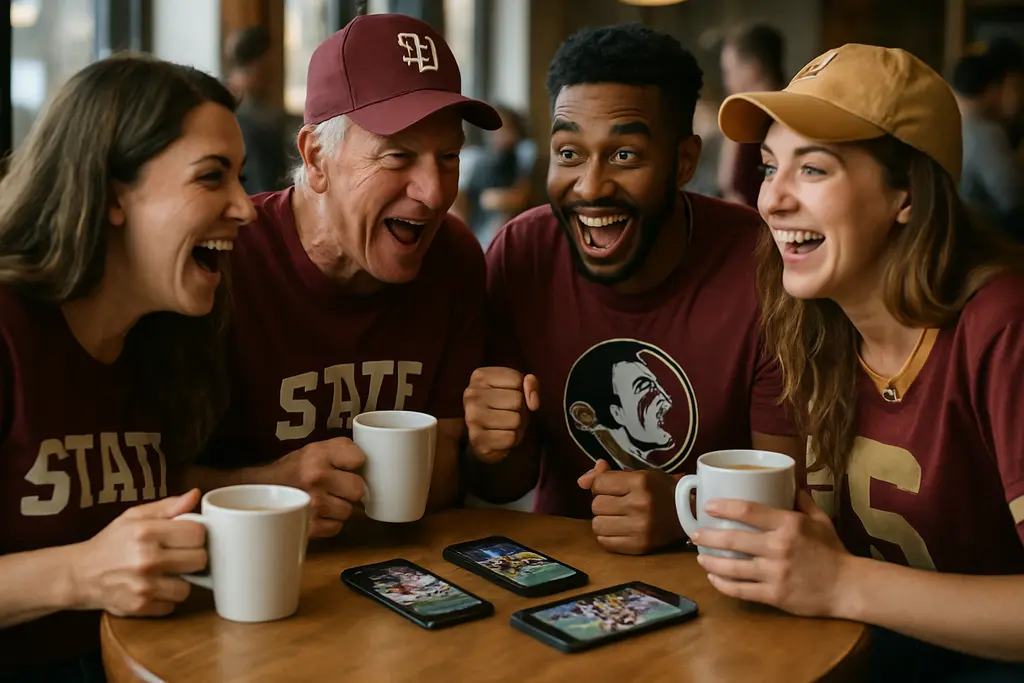
FSU Community Support has always been measured in more than noise from the stands. In Tallahassee, it shows up in family weekends, local storefront traffic, recruiting visits, booster checks, and the patience required to build a football program that can hold its place nationally. The latest fundraising cycle made that support impossible to treat as background music. In the 2025-2026 fiscal year, Florida State recorded $235.4 million in total fundraising, the highest mark in university history and above the $225 million record set in 2015-16, according to an FSU News report.
That number matters to football because major programs are no longer built by Saturday enthusiasm alone. They are built through facilities, student-athlete resources, donor trust, and the everyday belief that the university’s athletic identity belongs to the people who keep showing up. Florida State’s football future will be shaped by coaching, recruiting, and player development, yes, but it will also be shaped by whether the community keeps treating the program as part of Tallahassee’s civic fabric.
Why FSU Community Support Carries More Weight
College football has become a high-cost pursuit, and Florida State has responded with large facility investments tied to football operations and the fan experience. That does not mean every dollar guarantees wins. It means the program is trying to give coaches and athletes the setting they need to recruit, train, recover, and compete with peers that have made similar commitments.
FSU Community Support And Donor Confidence
The key issue is confidence. Donors rarely give at record levels unless they believe the institution has a plan worth backing. FSU Community Support can be emotional, but the giving totals point to something more disciplined: alumni, parents, staff, faculty, and partners seeing university momentum and choosing to invest in it. Football benefits from that energy because it remains one of the most visible doors into the broader Florida State story.
The danger, as any longtime Seminole fan knows, is assuming generosity works like a scoreboard. It does not. A record fundraising year should not be read as a promise of immediate on-field repair or permanent competitive comfort. It is a foundation. The program still has to identify talent, develop players, manage roster depth, and make the right calls in close games. Community money can improve the conditions around the team; it cannot take a fourth-quarter snap.
The Local Meaning Of Big Gifts
In Tallahassee, these gifts are not abstract. A family that has held season tickets for decades sees construction and asks whether the next generation will still feel at home at Doak. A former student sees a facility project and remembers walking across campus before kickoff. A business owner near the stadium sees football weekends as part of the local calendar. This is why fundraising around FSU football carries a neighborhood feel even when the numbers are large.
For readers who want a closer football-specific angle on the same giving surge, our recent piece on FSU record philanthropy tracked how donor support connects to athletics resources and expectations. The larger point remains the same: giving changes the conversation, but it also raises the standard for stewardship.
Facilities, Recruiting, And The Daily Standard
Florida State’s recent facility work is the most visible sign of community backing. Philanthropic support helped complete renovations to Doak Campbell Stadium and helped open the Dunlap Football Center, a 150,000-square-foot operations building designed to support recruiting, development, and the student-athlete experience, according to the same university report. Those projects speak directly to how modern football programs sell themselves.
What Recruits Notice First
Recruits and their families notice whether a program appears aligned. They notice training spaces, meeting rooms, recovery areas, and the energy around game weekends. Facilities do not replace relationships with coaches, but they help confirm whether the words match the commitment. When a recruit walks through a building built for football operations, the message is not subtle: this place intends to compete.
Player development is where the deeper value sits. The daily standard is set far from the television cameras. It is set in winter workouts, film sessions, nutrition routines, leadership meetings, and the quiet hours when younger players either grow into roles or fall behind. If the Dunlap Football Center improves those daily rhythms, then community investment has a chance to show up in the roster before it ever shows up in a box score.
Doak As A Shared Space
Doak Campbell Stadium is not just a venue. It is where alumni bring children, where former classmates reunite, where local workers feel the game-day rush, and where Florida State’s identity becomes visible. Renovations can bring better amenities, but they also test sentiment. Fans want comfort and access, but they also want the place to feel like Doak. That balance is delicate.
For older supporters, the stadium carries memory. For younger fans, it has to create new rituals. For recruits, it has to feel serious. For the university, it has to serve as a home that reflects both ambition and care. Community support is powerful because it pushes all of those needs into the same conversation.
The Fan Base Beyond The Checkbook

Money receives the headline, but a football program’s future also depends on habits. Do people still plan weekends around home games? Do students treat the stadium as part of campus life? Do alumni stay connected after moving to Jacksonville, Tampa, Atlanta, or beyond? Do local families feel priced in or pushed out? These questions matter because a program can raise large sums and still lose emotional ground if the broader fan base feels distant.
Florida State’s advantage has long been that football is personal here. A win changes the sound of a Monday morning in town. A hard loss lingers at grocery stores and school drop-off lines. That may sound sentimental, but it is also part of the program’s value. A team with a real community behind it has more than customers. It has witnesses, critics, caretakers, and believers.
- For players: community backing can make Tallahassee feel like a place where their growth is seen beyond the stat sheet.
- For coaches: support creates resources, but it also brings pressure to communicate a clear direction.
- For fans: investment raises expectations for access, comfort, effort, and accountability.
The FSU Foundation’s financial position also helps explain why the university can think in long arcs. As of June 30, 2026, the foundation reported a $1.02 billion endowment and about $1.4 billion in total assets on its Foundation profile. Football is only one piece of the institution, but athletics often becomes the most public expression of whether the university is moving with purpose.
What FSU Community Support Means For Football’s Next Era
The next era of Florida State football will not be defined by fundraising alone. It will be defined by how well the university turns support into stability. That means protecting the student-athlete experience, keeping facilities useful rather than decorative, listening to fans who make the stadium feel alive, and keeping the connection between campus and city strong.
FSU Community Support is best understood as a pact. Donors, students, alumni, local businesses, and families invest their money, time, and belief. In return, they expect a program that competes with urgency and operates with care. The football future in Tallahassee will be built in that space between ambition and responsibility. If Florida State gets that balance right, the community will not just be funding the next chapter. It will help write it.